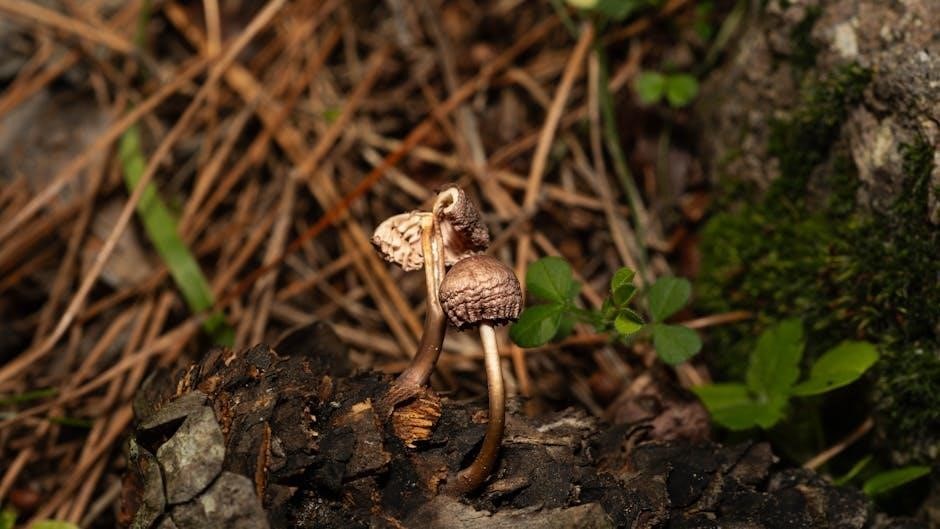
colorado mushroom guide
Colorado Mushroom Guide: An Overview
Colorado’s diverse ecosystems yield a remarkable variety of fungal species, offering exciting opportunities for both novice and experienced mushroom hunters.
This guide provides essential information for safe and successful foraging, covering identification, habitats, and potential risks associated with Colorado’s mushrooms.
From the prized chanterelles and boletes to the elusive morels, discover the beauty and bounty of Colorado’s fungal world, alongside crucial safety precautions.
Explore resources like the Colorado Mycological Society and the Telluride Mushroom Festival to deepen your knowledge and connect with fellow enthusiasts.
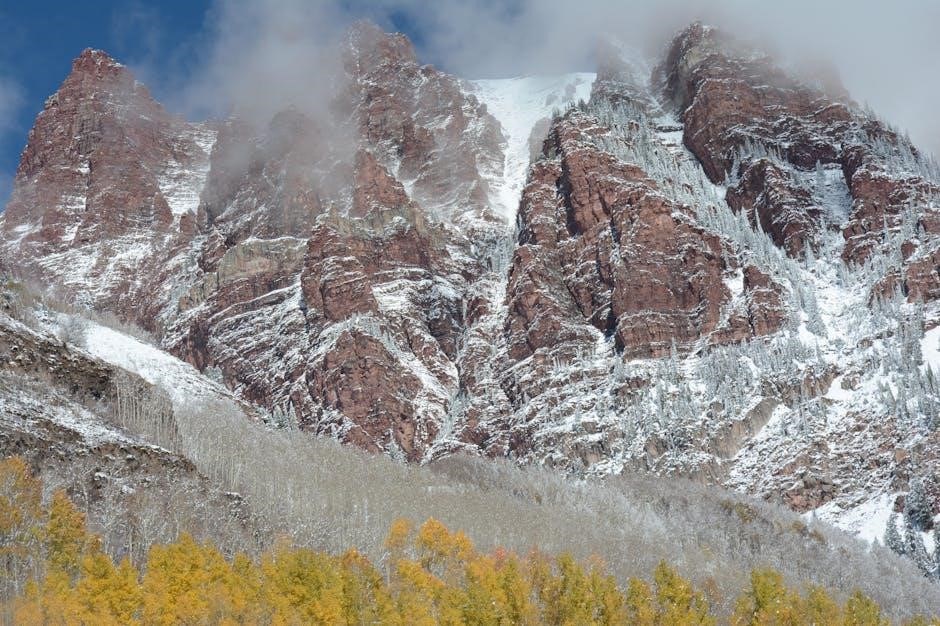
Colorado mycology is a fascinating field, driven by the state’s diverse landscapes – from alpine forests to arid plains – each supporting unique fungal communities. Over fifty distinct mushroom species thrive within Colorado, presenting a rich tapestry for exploration and study.
The Rocky Mountains, in particular, are renowned for their mushroom hunting opportunities, boasting prized porcini and vibrant chanterelles. Understanding the symbiotic relationships between fungi and their environment is crucial; mushrooms play a vital role in forest health, nutrient cycling, and ecosystem stability.
Successful foraging requires diligent identification skills, as many edible species have poisonous look-alikes. Resources like the Colorado Mycological Society and events like the Telluride Mushroom Festival are invaluable for learning proper identification techniques and responsible harvesting practices.
Geographic Regions for Mushroom Hunting
Colorado’s varied geography dictates mushroom distribution. The San Juan Mountains are hotspots, offering diverse species due to their elevation and forest types, making them ideal for both beginners and experienced hunters.
Rocky Mountain National Park and surrounding forests yield boletes and chanterelles at higher elevations. Conifer forests throughout the state, particularly those with spruce and fir, are prime locations for finding various edible mushrooms.
Lower elevation areas, like the foothills and montane regions, can produce morels in the spring. Remember that specific habitats – like near certain tree species – influence mushroom growth. Always respect private property and obtain necessary permits before foraging in national forests or parks.
Identifying Common Colorado Mushrooms
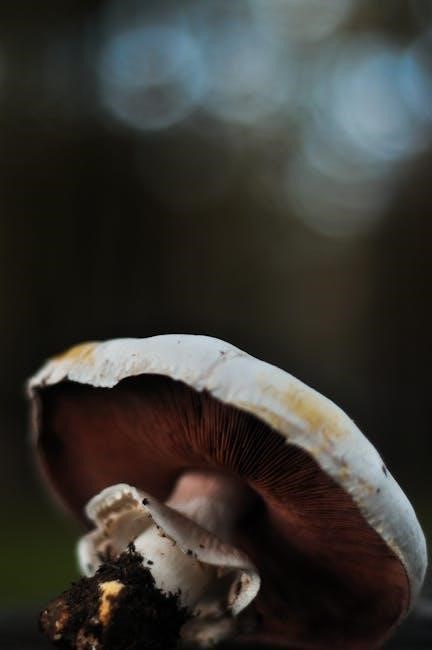
Colorado boasts over 50 mushroom species! Accurate identification is crucial for safe foraging, focusing on key features like cap shape, gill structure, and stem characteristics.
Chanterelles (Cantharellus species)
Chanterelles are highly sought-after edible mushrooms found in Colorado’s conifer forests, celebrated for their fruity aroma and delicate flavor. These golden-hued fungi typically appear from late summer through fall, often after periods of rain.
Identifying chanterelles involves noting their vase-like shape, false gills (ridges running down the stem), and a smooth cap surface. They grow on the ground, often near trees like spruce and fir. Their color ranges from pale yellow to vibrant orange, making them visually appealing.
Proper identification is vital, as look-alikes exist. Chanterelles are a rewarding find for experienced and novice foragers alike, adding a unique culinary experience to any meal.
Distinguishing Features of Chanterelles
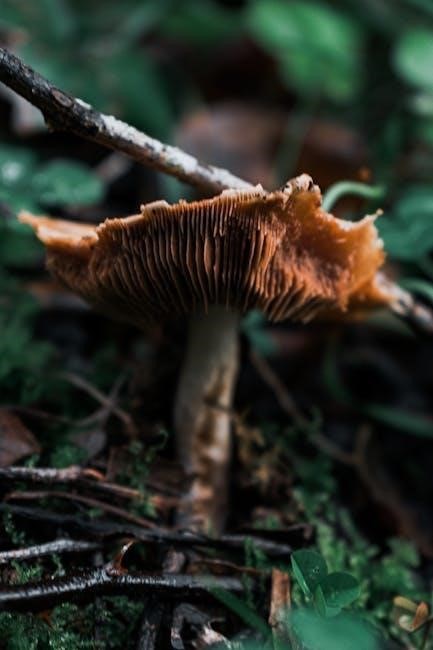
Chanterelles possess several key characteristics aiding in identification. Unlike true gills, they feature forked, blunt ridges that run down the stem, often described as “false gills;” Their color varies from pale yellow to deep orange, and they exhibit a vase-like or trumpet-like shape.
The cap is typically smooth and wavy, with a slightly fruity or apricot-like aroma. The flesh is firm and white, and they lack a partial veil or ring on the stem. When sliced lengthwise, chanterelles reveal a consistent color throughout, without distinct layers.
Careful observation of these features, combined with habitat knowledge, is crucial for accurate identification and avoiding potentially harmful look-alikes.
Habitat and Seasonality
Chanterelles in Colorado thrive in coniferous forests, particularly those dominated by spruce and fir trees. They exhibit a mycorrhizal relationship, meaning they form a symbiotic connection with tree roots, often found near mossy areas and decaying wood.
The fruiting season typically spans from late summer through fall, peaking after periods of rainfall. Elevation plays a role, with lower elevations fruiting earlier than higher altitudes. Look for them between August and October, though timing can vary based on weather patterns.
Successful foraging requires understanding these habitat preferences and seasonal cues, increasing your chances of discovering these golden treasures.
Boletes (Boletus species)
Boletes, members of the Boletus genus, are prized edible mushrooms found throughout Colorado’s forests. They are characterized by their thick stems and pores instead of gills under the cap. Colors range from browns and reds to yellows, depending on the species.
Several varieties exist, including the King Bolete (Boletus edulis), highly sought after for its rich, nutty flavor. These mushrooms also form mycorrhizal relationships with trees, commonly appearing in coniferous and mixed forests.
Boletes contribute significantly to Colorado’s fungal diversity, offering a rewarding foraging experience for those familiar with their identification.
Identifying Characteristics of Boletes
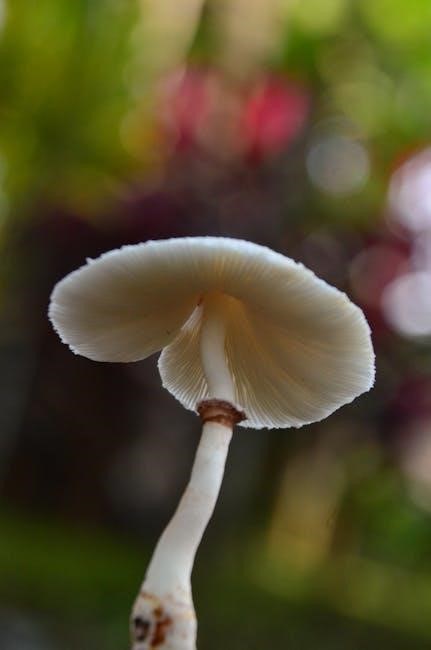
Boletes are easily distinguished by their pores rather than gills underneath the cap, a key feature for identification. These pores start white and can bruise with age, changing color – a useful diagnostic tool.
The stem is typically thick and often bulbous, sometimes displaying a network of raised ridges or netting. Flesh bruises slowly when cut or handled, and the color of this bruising is crucial for species identification;
Boletes lack a ring or volva, unlike some other mushroom types. Cap color varies widely, from pale browns to vibrant reds, and the shape can range from convex to flattened.
Edibility and Look-Alikes
Many Boletes are edible and highly prized, offering a nutty, earthy flavor. However, accurate identification is paramount, as some species cause gastrointestinal upset. Always cook boletes thoroughly before consumption.
A key look-alike concern involves bitter boletes (Tylopilus felleus), which aren’t poisonous but impart an intensely unpleasant taste to dishes. They have a pinkish pore surface that darkens with age.
Additionally, some Boletes can be confused with poisonous mushrooms like Amanita species. Beginners should forage with experienced mycologists or utilize multiple identification resources before consuming any wild mushroom.
Careful observation of pore color, bruising reactions, and stem characteristics is vital.
Morels (Morchella species)
Morels are among the most sought-after wild mushrooms in Colorado, celebrated for their distinctive honeycomb-like caps and rich, earthy flavor. These prized fungi appear in spring, often after disturbances like forest fires or along riverbanks.
Several Morchella species exist, varying in color from blonde to black. They typically grow solitary or in small groups, making the hunt rewarding but challenging.
Proper identification is crucial, as false morels can be toxic. True morels are entirely hollow inside, while false morels have a cottony or chambered interior.
Experienced foragers often keep their spots secret, contributing to the mystique surrounding these delicious mushrooms.
Recognizing True Morels
Distinguishing true morels (Morchella species) from potentially harmful look-alikes requires careful observation. A key characteristic is the fully hollow stem – when sliced lengthwise, it should be empty inside.
The cap is uniquely pitted with a honeycomb-like structure, and it’s attached directly to the stem, not hanging freely. False morels often have caps that are lobed, wrinkled, or saddle-shaped, and may be attached differently.
Always slice the mushroom lengthwise to inspect the stem’s hollowness. Avoid consuming any mushroom if you are unsure of its identification; when in doubt, throw it out!
Remember, proper identification is paramount for safe foraging.
Preferred Habitats and Timing
Morels in Colorado typically emerge in the spring, with timing heavily influenced by moisture and temperature; Look for them after periods of warm rain, generally from April through June, though this varies with elevation.
They are often found near deciduous trees like cottonwoods and ash, as well as in disturbed areas such as burn sites from previous wildfires. Conifer forests can also harbor morels, particularly after a fire.
South-facing slopes warm up faster, potentially yielding earlier finds. Patience and consistent scouting are key, as morel fruiting can be unpredictable. Remember to check local regulations regarding foraging.
Potentially Toxic Mushrooms in Colorado
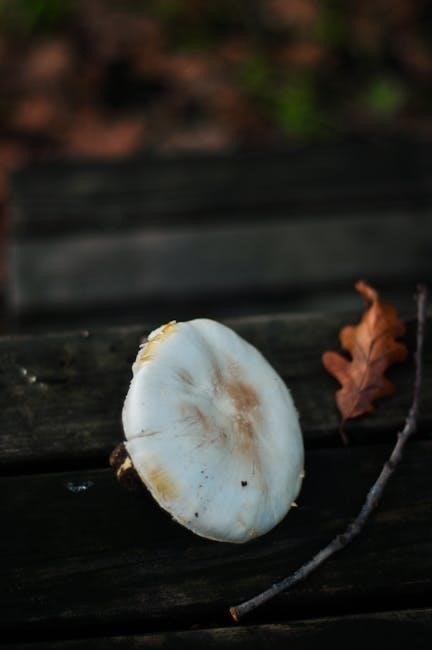
Colorado harbors dangerous fungi, demanding cautious identification. Misidentification can lead to severe illness or even death; expert knowledge is crucial for safe foraging practices.
Death Cap (Amanita phalloides)
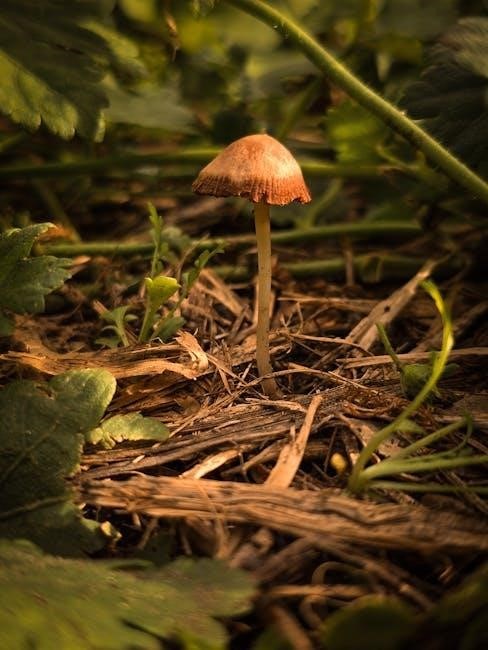
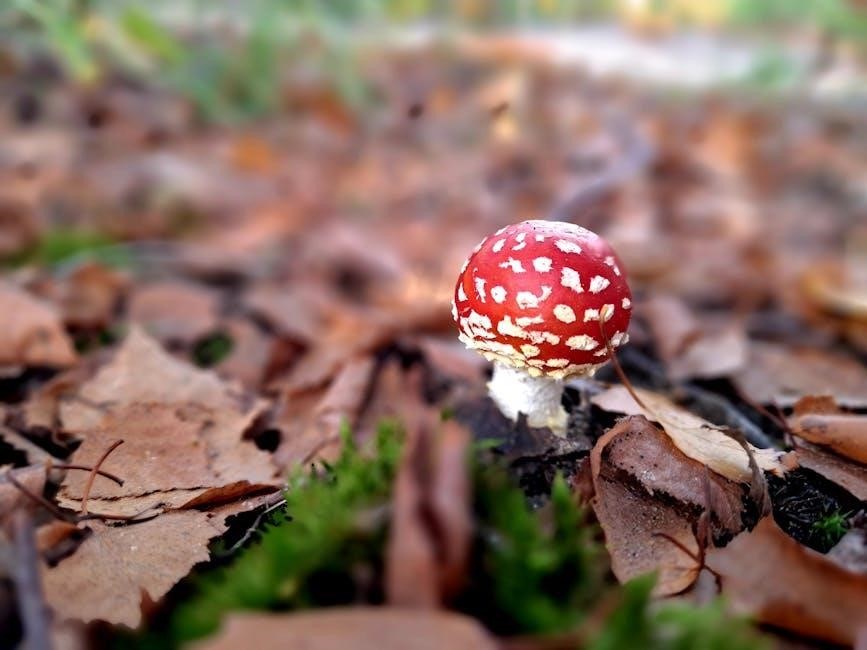
The Death Cap, Amanita phalloides, is one of the most poisonous mushrooms globally and presents a significant danger in Colorado. Recognizing its danger signs is paramount for any forager. Young specimens appear as whitish-greenish rounded buttons, while mature caps spread to reveal a pale greenish-yellow hue.
Key identification features include white gills, a skirt-like ring on the stem (remnant of a partial veil), and a volva – a sac-like structure at the base of the stem, often buried in the soil. This volva is a crucial diagnostic feature.
Severity of Poisoning: Ingestion of even a small portion can cause severe liver and kidney damage, often leading to organ failure and death. Symptoms typically appear 6-24 hours after consumption, initially resembling gastrointestinal distress, followed by a deceptive period of recovery before organ damage manifests.
Danger Signs and Identification
Identifying the Death Cap (Amanita phalloides) requires meticulous attention to detail. Look for a greenish-yellowish cap, though color can vary. Crucially, examine the base of the stem for a prominent volva – a sac-like structure often partially buried. White gills are another key indicator, as are the remnants of a partial veil forming a ring on the stem.
Danger signs include any mushroom with these characteristics, especially if found near oak trees, a common habitat. Be wary of young specimens where the volva may be hidden. Never consume a mushroom if you are uncertain of its identification.
Remember, misidentification can be fatal. If you suspect Death Cap ingestion, seek immediate medical attention and bring a sample of the mushroom for identification.
Severity of Poisoning
Ingestion of the Death Cap (Amanita phalloides) results in some of the most severe mushroom poisonings. Initial symptoms, appearing 6-24 hours after consumption, mimic gastroenteritis – nausea, vomiting, and diarrhea – leading to dangerous dehydration. However, this is merely a deceptive prelude.
A seemingly temporary recovery may occur, only to be followed by liver and kidney failure, typically 3-5 days post-ingestion. This organ damage is often irreversible and can be fatal without immediate and aggressive medical intervention, including liver transplant.
There is no antidote for Death Cap poisoning; treatment focuses on supportive care. Prompt medical attention is absolutely critical for any suspected exposure.
Destroying Angel (Amanita virosa)
The Destroying Angel (Amanita virosa) is a deadly poisonous mushroom found in Colorado, notorious for its resemblance to edible species, particularly puffballs and young button mushrooms. It’s characterized by a pure white color, including the cap, gills, and stalk, and often possesses a volva (a sac-like structure at the base of the stem).
This mushroom contains amatoxins, the same toxins found in the Death Cap, leading to severe liver and kidney damage. Its unassuming appearance makes it particularly dangerous, as inexperienced foragers may easily misidentify it.
Extreme caution is advised when encountering any white Amanita species. Positive identification by an expert is crucial before consumption.
Similarities to Edible Mushrooms
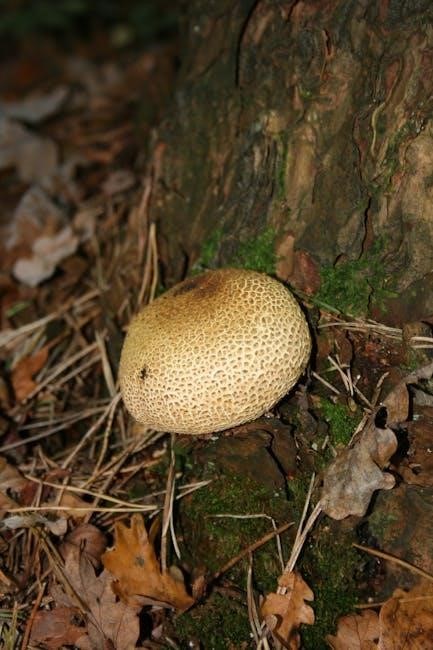
The Destroying Angel’s danger lies in its deceptive resemblance to several edible mushrooms, especially during early growth stages. Young puffballs and button mushrooms share the same pure white coloration, leading to frequent misidentification by inexperienced foragers. The smooth, rounded cap of the Destroying Angel can easily be mistaken for these harmless varieties.
Furthermore, its initial appearance lacks the fully developed features – like distinct gills – that would aid in accurate identification. This similarity is particularly concerning as individuals may consume it believing they’ve found a safe, edible mushroom.
Careful examination and expert knowledge are vital to avoid this potentially fatal error.
Symptoms of Ingestion
Ingestion of the Destroying Angel initially presents with deceptively mild symptoms, often appearing 6-24 hours post-consumption. These can include nausea, vomiting, stomach cramps, and diarrhea, mimicking a gastrointestinal upset. This initial phase can lull victims into a false sense of security, delaying crucial medical intervention.
However, this is followed by a “quiet period” before the true severity emerges. After 24-72 hours, severe liver and kidney damage manifest, leading to jaundice, abdominal pain, and ultimately, organ failure. Without immediate medical treatment, including liver transplant consideration, ingestion is frequently fatal.
Rapid medical attention is paramount upon suspicion of poisoning.
Resources for Mushroom Identification
Colorado offers fantastic resources! Join the Colorado Mycological Society, attend the Telluride Mushroom Festival, or explore online forums and Facebook groups for expert guidance.
Colorado Mycological Society
The Colorado Mycological Society (CMS) serves as a vital hub for fungal enthusiasts throughout the state, fostering education and responsible foraging practices. Their active Facebook group provides a year-round platform for sharing observations, seeking identifications, and connecting with experienced mycologists.
CMS organizes regular forays – guided mushroom hunting expeditions – allowing members to learn from experts in the field and discover new species. These events emphasize ethical collecting and habitat preservation. Beyond forays, the society hosts workshops and presentations covering various aspects of mycology, from identification techniques to the ecological roles of fungi.
Membership offers access to a wealth of knowledge and a supportive community, making it an invaluable resource for anyone interested in deepening their understanding of Colorado’s fascinating fungal kingdom. It’s a fantastic place to start your journey!
Telluride Mushroom Festival
The Telluride Mushroom Festival, held annually in August, is a premier event for mushroom enthusiasts of all levels. It’s a comprehensive experience, offering a deep dive into the world of mycology within the stunning San Juan Mountains of Colorado.
The festival features guided forays led by expert mycologists, providing hands-on learning opportunities in prime mushroom habitats. Attendees can participate in workshops covering identification, cultivation, and the culinary uses of mushrooms. Renowned speakers present on cutting-edge research and the ecological importance of fungi.
Beyond the educational aspects, the festival fosters a vibrant community spirit, with opportunities to connect with fellow mushroom lovers. It’s a truly immersive experience, providing resources and knowledge to enhance your foraging skills and appreciation for the fungal kingdom.
Online Forums and Facebook Groups
Online platforms offer invaluable resources for Colorado mushroom enthusiasts seeking to expand their knowledge and connect with a community of like-minded individuals. Numerous Facebook groups, such as the Colorado Mycological Society group, provide a space for sharing finds, asking questions, and receiving identification assistance.
These digital communities are particularly helpful for beginners, offering a supportive environment to learn from experienced foragers. Members frequently post photos of mushrooms encountered in the field, prompting discussions and expert opinions on identification.
Dedicated online forums also exist, providing a more structured platform for in-depth discussions and resource sharing. These platforms are excellent for staying updated on recent finds, learning about local foraging hotspots, and contributing to the collective knowledge of Colorado mycology.