
preview strep a test kit instructions
Understanding Strep A Test Kits: A Comprehensive Guide
Strep A testing kits offer a swift, convenient method for diagnosing strep throat at home, boasting over 80% accuracy in recent studies for reliable early detection․
What is Strep A and Why Test for It?
Strep A, or Group A Streptococcus, is a common bacterium causing infections like strep throat and scarlet fever․ Rapid testing is crucial, especially for children, as untreated strep can lead to serious complications like rheumatic fever․
At-home strep A test kits empower quick diagnosis, enabling prompt medical attention and antibiotic treatment if needed․ Early detection minimizes symptom duration and prevents potential spread within families and communities․ These kits are a valuable tool for proactive health management, offering peace of mind and timely intervention․
The Importance of Rapid Diagnosis
Rapid diagnosis of Strep A infections is paramount to prevent the progression to more severe health issues․ Quick results from strep A test kits facilitate timely antibiotic treatment, reducing symptom severity and duration․
Early intervention also minimizes the risk of complications like rheumatic fever, a serious inflammatory condition․ Convenient at-home testing bypasses lengthy doctor’s visits, accelerating the path to recovery and limiting potential transmission․ Prompt action safeguards individual health and protects the wider community․
How Strep A Test Kits Work: The Basics
Strep A test kits primarily utilize rapid antigen detection tests (RADTs), identifying specific proteins from the Streptococcus pyogenes bacteria․ A throat swab collects a sample, mixed with a buffer to release antigens․
This mixture is applied to a test device containing antibodies that bind to the Strep A antigen, creating a visible line if present․ The QUICKVUE In-Line Strep A employs an in-line extraction method for direct antigen detection, offering clear, two-color results․
Types of Strep A Test Kits Available
Strep A test kits broadly fall into two categories: Rapid Antigen Detection Tests (RADTs), designed for quick, at-home use, and Molecular Tests (PCR), typically performed in laboratories for higher sensitivity․ While PCR offers greater accuracy, its availability in convenient kit formats is limited․
Most over-the-counter kits are RADTs, like the QUICKVUE In-Line Strep A, prioritizing speed and accessibility․ Evaluations show 86 EIA and 19 OIA tests have been assessed, demonstrating a range of testing methodologies․
Rapid Antigen Detection Tests (RADTs)
Rapid Antigen Detection Tests (RADTs) are the cornerstone of at-home strep A diagnosis, offering results within minutes․ These kits, like QUICKVUE In-Line Strep A, detect specific antigens from Streptococcus pyogenes directly from a throat swab․
Studies evaluating RADTs, including 86 EIA and 19 OIA tests (totaling over 58,000 participants), reveal an accuracy rate exceeding 80%․ However, heterogeneity exists, with sensitivity varying based on prevalence and age (median age 6․6 years, prevalence 29․5%)․
Molecular Tests (PCR) ⎯ Availability in Kits
While Polymerase Chain Reaction (PCR) tests offer superior sensitivity and specificity for strep A detection, their availability in convenient at-home kits remains limited․ Currently, most over-the-counter tests utilize Rapid Antigen Detection Technology (RADTs) due to cost and complexity․
PCR tests, though highly accurate, generally require laboratory processing․ Evaluations of EIA and OIA tests (86 and 19 respectively, involving over 58,000 participants) demonstrate that RADTs achieve acceptable accuracy (80%+), despite inherent variability․
Key Components of a Typical Strep A Test Kit
A standard Strep A test kit comprises several essential elements for accurate diagnosis․ These invariably include a sterile swab for throat sample collection, and an extraction buffer to release antigens․ Crucially, each kit features a test cassette/device where the reaction occurs․
QUICKVUE In-Line Strep A, for example, utilizes an in-line extraction method․ Detailed instructions for use are also provided, guiding users through each step to ensure reliable results and proper interpretation of control and test lines․
Sterile Swab
The sterile swab is paramount for collecting a throat sample, initiating the Strep A testing process․ It must remain sterile to prevent contamination and ensure accurate results․ Proper swabbing technique, detailed in the kit’s instructions for use, involves gently rubbing the swab against the back of the throat and tonsils․
This action dislodges potential strep bacteria․ The QUICKVUE In-Line Strep A kit, like others, relies on a quality swab for effective sample acquisition, directly impacting the test’s reliability and diagnostic value․
Extraction Buffer
The extraction buffer plays a crucial role in releasing antigens from the throat sample collected by the sterile swab․ This liquid solution, included in Strep A test kits, facilitates the breakdown of cellular material, making the strep bacteria detectable by the test device․
Following the instructions for use precisely regarding buffer volume and mixing is vital․ The QUICKVUE In-Line Strep A utilizes a specific buffer formulation optimized for its in-line extraction method, ensuring optimal antigen release and test performance․
Test Cassette/Device
The test cassette/device is the core component where the antigen-antibody reaction occurs, revealing the strep A test result․ Typically, it contains a sample application area, a testing zone (where the test line appears), and a control zone․
QUICKVUE In-Line Strep A employs a unique two-color result system for clear readability․ Proper sample application, as detailed in the instructions for use, is essential for accurate results․ The device’s design facilitates easy interpretation of both control and test lines․
Instructions for Use
Instructions for use are paramount for accurate strep A testing․ These guides detail each step, from preparing the sample via throat swabbing to interpreting the final results․ Following these instructions precisely minimizes errors and ensures reliable detection of group A streptococcal antigens․
QUICKVUE In-Line Strep A, being a CLIA-waived test, still requires careful adherence to the provided protocol․ The instructions emphasize proper swab technique and sample application to the test cassette/device for optimal performance․

Step-by-Step Instructions for Using a Strep A Test Kit
Using a Strep A test kit involves a few key steps․ First, carefully prepare the sample by thoroughly swabbing the throat, ensuring contact with both tonsils and the posterior pharynx․ Next, extract the sample using the provided buffer, mixing well to release antigens․ Finally, apply the extracted sample to the test device․
QUICKVUE In-Line Strep A simplifies this with its in-line extraction․ Remember to read the control and test lines within the specified timeframe for accurate interpretation․
Preparing the Sample: Swabbing the Throat
Proper throat swabbing is crucial for accurate results․ Using the sterile swab provided, instruct the patient to open their mouth wide and say “Ahhh․” Gently, but firmly, swab the back of the throat, including both tonsils and the posterior pharynx․
Avoid touching the tongue, teeth, or gums with the swab․ This ensures you collect cells from the area where Streptococcus A bacteria are most likely to reside․ A thorough swab maximizes the chance of detection․
Extracting the Sample with the Buffer
Following the swab, insert it into the provided extraction buffer tube․ Rotate the swab vigorously within the buffer for at least 30 seconds, ensuring thorough mixing․ This process releases the antigens from the swab sample into the liquid․
Squeeze the sides of the tube while rotating to express as much liquid as possible․ The buffer solution effectively dissolves and preserves the sample, preparing it for application to the test device for accurate analysis․
Applying the Sample to the Test Device
Carefully remove the swab from the buffer tube, discarding it properly․ Using the provided dropper, draw the extracted liquid from the tube․ Deposit the specified number of drops – typically two to three – into the sample well of the test cassette or device․
Avoid creating air bubbles and ensure the liquid is absorbed into the device․ Start the timer immediately after applying the sample, as the test results usually appear within a few minutes․
Interpreting the Test Results: Positive, Negative, and Invalid
Observe the test cassette after the allotted time, usually five to ten minutes․ A positive result displays a visible test line alongside the control line, indicating the presence of Strep A antigens․ A negative result shows only the control line․ An invalid test lacks a control line, requiring a repeat test with a new kit․
Always refer to the kit’s specific instructions, as line interpretations can vary slightly between brands․ Remember, even with 80%+ accuracy, confirmation from a healthcare professional is crucial․
Understanding Control Lines

The control line is paramount; its presence validates the test’s functionality․ If the control line doesn’t appear, regardless of any test line visibility, the test is invalid and must be repeated with a fresh kit․ This ensures reagents are working correctly and the procedure was followed accurately․
Think of the control line as a system check․ Without it, any reading of the test line is unreliable․ Always prioritize confirming the control line before interpreting any potential positive or negative results․
Reading the Test Line
The test line indicates a potential Strep A infection․ Its appearance, even faint, alongside the control line generally signifies a positive result․ However, interpretation requires careful attention; The QUICKVUE In-Line Strep A test utilizes two-color results for clear readability, enhancing dependable outcomes․
Absence of the test line, with a visible control line, suggests a negative result․ Remember, a faint line should be considered positive, prompting consultation with a healthcare professional for confirmation and treatment․
Accuracy of Strep A Test Kits: Sensitivity and Specificity
Understanding accuracy hinges on sensitivity and specificity․ Recent evaluations, encompassing 86 EIA and 19 OIA tests (over 58,000 participants), reveal substantial heterogeneity in accuracy estimates, particularly sensitivity․ Despite this, many kits achieve over 80% accuracy․
Sensitivity reflects a test’s ability to correctly identify positive cases, while specificity indicates its ability to correctly identify negative ones․ Factors like age (median 6․6 years) and prevalence (29․5%) influence these metrics․
Sensitivity Explained
Sensitivity, in the context of Strep A test kits, signifies the proportion of individuals with a Strep A infection that the test correctly identifies as positive․ A higher sensitivity minimizes false negatives – crucial for preventing untreated infections and potential complications․
Evaluations of EIA and OIA tests demonstrate variability in sensitivity, highlighting the importance of understanding potential limitations․ Studies show wide prediction areas around summary estimates, indicating substantial heterogeneity․
Specificity Explained
Specificity refers to a Strep A test kit’s ability to correctly identify individuals without a Strep A infection as negative․ High specificity minimizes false positives, preventing unnecessary antibiotic use and associated side effects․ Like sensitivity, specificity varies between different test types․
Heterogeneity in accuracy estimates, particularly for specificity, is evident in research findings․ Visual inspection of forest plots reveals wide prediction areas, emphasizing the need for cautious interpretation of results․

Factors Affecting Test Accuracy
Several factors influence the accuracy of Strep A test kits․ Patient age and the prevalence of Strep A within the tested population significantly impact results; studies show a median age of 6․6 years and a prevalence of 29․5%․
Substantial heterogeneity in accuracy estimates exists, especially regarding sensitivity․ Variations in test performance between EIA (86 evaluations, 48,808 participants) and OIA (19 evaluations, 9436 participants) tests further contribute to differing outcomes․
Comparing Different Strep A Test Kit Brands (QUICKVUE In-Line Strep A as an Example)
QUICKVUE In-Line Strep A distinguishes itself with a unique in-line extraction method, directly detecting group A streptococcal antigen from throat swabs․ Its two-color results enhance readability, and proven accuracy ensures dependable outcomes․
Notably, QUICKVUE is a true one-step test and was the first rapid Strep A test to receive a CLIA waiver under 88, signifying its reliability for point-of-care testing․ Other brands offer varying features and sensitivities․
QUICKVUE In-Line Strep A: Features and Benefits
QUICKVUE In-Line Strep A offers a streamlined testing experience with its innovative in-line extraction process, simplifying sample preparation and reducing potential errors․ The clear, two-color results provide easy-to-interpret readability, minimizing ambiguity in diagnosis․
Its proven accuracy and CLIA waiver status make it suitable for various settings, including physician offices and schools․ This one-step test delivers dependable results quickly, facilitating prompt treatment decisions and improved patient care․
Other Popular Brands and Their Characteristics
While QUICKVUE In-Line Strep A stands out, several other brands offer reliable at-home testing options․ These kits generally share core features like throat swabs and developer solutions, but vary in testing time and result interpretation methods․
Some prioritize ease of use with simplified instructions, while others focus on enhanced sensitivity for improved accuracy․ Understanding these nuances is crucial when selecting a kit, considering individual needs and preferences for a confident diagnostic experience․
Where to Buy Strep A Test Kits
Strep A test kits are readily accessible through various retail channels, offering convenience for prompt diagnosis․ Pharmacies and drugstores, like CVS and Walgreens, typically stock several brands, allowing for immediate purchase and pharmacist consultation․
Alternatively, numerous online retailers, including Amazon and Walmart’s website, provide a wider selection and often competitive pricing․ Comparing options and reading customer reviews can aid in informed decision-making before purchasing a kit․
Pharmacies and Drugstores
Pharmacies and drugstores represent a convenient and accessible option for acquiring Strep A test kits․ Major chains like CVS, Walgreens, and Rite Aid commonly stock these kits, providing immediate availability for those experiencing potential strep throat symptoms․
Purchasing from a pharmacy allows for direct consultation with a pharmacist, offering guidance on proper usage and interpretation of results․ This personalized support can be invaluable, especially for first-time users seeking clarification or reassurance․
Online Retailers
Online retailers, such as Amazon, Walmart․com, and specialized medical supply websites, provide a broad selection of Strep A test kits with the convenience of home delivery․ This is particularly beneficial for individuals with limited mobility or those residing in areas with limited pharmacy access․
However, it’s crucial to verify the retailer’s credibility and ensure the product is sourced from a reputable manufacturer․ Comparing prices across different platforms can also help secure the most cost-effective option․
Cost of Strep A Test Kits
Strep A test kit prices generally range from $10 to $30 per kit, depending on the brand, the number of tests included in the package, and the retailer․ Rapid antigen detection tests (RADTs) are typically less expensive than molecular tests (PCR), if PCR kits are even available for home use․
Bulk purchases or multi-packs can often offer cost savings․ It’s advisable to compare prices from various pharmacies and online retailers to find the best deal․
What to Do with a Positive Strep A Test Result
A positive result from a Strep A test kit indicates a likely infection requiring medical attention․ Consulting a healthcare professional is crucial for confirmation and appropriate treatment․ Typically, this involves a prescription for antibiotic treatment, usually penicillin or amoxicillin, to combat the infection and prevent complications like rheumatic fever․
Prompt treatment is vital to alleviate symptoms and prevent spreading the infection to others․ Follow your doctor’s instructions carefully regarding medication dosage and duration․
Consulting a Healthcare Professional
Even with a home Strep A test kit, professional medical advice is essential, particularly with a positive result․ A healthcare provider can confirm the diagnosis, rule out other potential causes of your sore throat, and prescribe the most effective antibiotic treatment․
They will also assess for any complications and provide guidance on preventing the spread of infection․ Don’t delay seeking medical attention; early intervention is key to a swift recovery and avoiding potential health risks․
Antibiotic Treatment
If a healthcare professional confirms a Strep A infection, antibiotic treatment is typically prescribed․ This is crucial not only to alleviate symptoms quickly but, more importantly, to prevent serious complications like rheumatic fever or kidney inflammation․
Penicillin or amoxicillin are commonly used, but alternatives are available for those with allergies․ Completing the full course of antibiotics, even if you feel better, is vital to eradicate the infection completely and prevent recurrence․
What to Do with a Negative Strep A Test Result
A negative result doesn’t always definitively rule out a Strep A infection․ Possible false negatives can occur, especially if the test was performed too early in the infection or if the swabbing technique wasn’t optimal․
If symptoms persist or worsen despite a negative at-home test, it’s essential to seek further testing from a healthcare provider․ They may perform a throat culture, which is generally more sensitive, to confirm the diagnosis․
Possible False Negatives
Despite high accuracy rates (80%+), at-home Strep A tests aren’t foolproof․ False negatives can arise if the viral load is low, particularly early in the infection, or if the throat swab doesn’t collect enough sample material․
Improper swabbing technique significantly increases the risk of a false negative․ It’s crucial to follow the kit’s instructions meticulously․ If symptoms continue despite a negative result, consult a healthcare professional for a more definitive diagnosis via a throat culture․
When to Seek Further Testing
Even with accuracy rates exceeding 80%, a negative at-home Strep A test doesn’t always rule out infection․ Seek further testing from a healthcare provider if symptoms persist or worsen despite a negative result, as false negatives are possible․

Consider additional testing, like a throat culture, especially if you have a history of recurrent strep throat or if exposure to a confirmed case is suspected․ Prompt medical evaluation ensures accurate diagnosis and appropriate treatment to prevent complications․
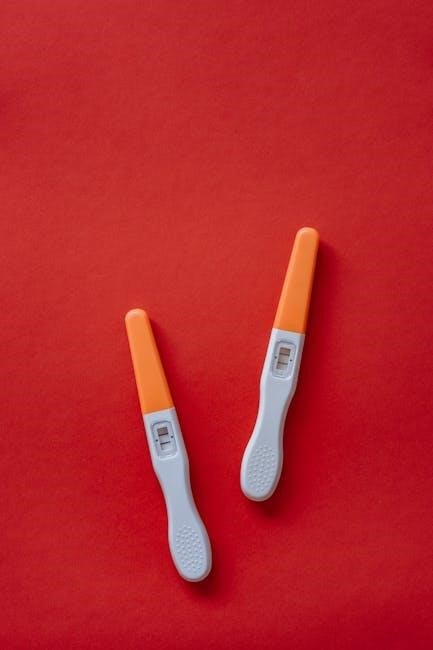
Limitations of At-Home Strep A Tests
While convenient, at-home Strep A tests have limitations․ Studies reveal substantial heterogeneity in accuracy estimates, particularly sensitivity, impacting reliability․ Factors like improper swabbing technique or insufficient sample collection can lead to false negatives․
These tests are also subject to CLIA waiver regulations, and variations exist between brands like QUICKVUE and others․ Remember, at-home tests are a screening tool; confirmation with a healthcare professional is crucial for definitive diagnosis and treatment․
CLIA Waiver and Test Kit Regulations
Strep A test kits intended for home use often receive a CLIA waiver, simplifying testing outside traditional laboratory settings․ This waiver indicates the tests are relatively simple and pose a low risk of inaccurate results․ However, regulations still apply to ensure quality control and proper usage․
The QUICKVUE In-Line Strep A was the first rapid test waived under CLIA 88․ Manufacturers must adhere to FDA guidelines, and users should always follow included instructions carefully to maintain test validity and accuracy․
Recent Studies and Accuracy Rates (80%+ Accuracy)
Recent studies demonstrate that Strep A test kits achieve accuracy rates exceeding 80%, providing a reliable means for initial diagnosis․ Evaluations included 86 EIA tests (48,808 participants) and 19 OIA tests (9436 participants), revealing substantial, though heterogeneous, performance․
Visual inspection of forest plots indicated variability in accuracy estimates, particularly sensitivity․ Despite this, the kits empower individuals for early detection and treatment, offering convenience alongside dependable results when used correctly․
Potential for Heterogeneity in Accuracy Estimates
Accuracy estimates for Strep A test kits exhibit considerable heterogeneity, especially concerning sensitivity, as revealed by wide prediction areas surrounding summary estimates․ Investigations into this variability, summarized in Table 4, highlight inconsistencies across different evaluations․
Indirect comparisons contribute to this complexity․ Median age of participants was 6․6 years, with a group A streptococcus prevalence of 29․5% using throat culture as the standard․ These factors likely influence observed accuracy variations․
Age and Prevalence Considerations (Median Age 6․6 years, Prevalence 29․5%)
Strep A test kit accuracy is demonstrably influenced by patient age and the prevalence of the infection within the tested population․ Studies indicate a median participant age of 6․6 years, suggesting pediatric populations are frequently assessed with these kits․
Furthermore, a median prevalence of 29․5% of group A streptococcus, determined via throat culture, highlights the importance of considering baseline infection rates when interpreting test results․ These demographic and epidemiological factors are crucial for accurate diagnosis․
EIA and OIA Test Evaluations (86 EIA, 19 OIA)
Comprehensive evaluations encompassed a significant number of Strep A tests: 86 Enzyme Immunoassay (EIA) tests, involving 48,808 participants, and 19 Optical Immunoassay (OIA) tests, with 9,436 participants․ These extensive studies aimed to rigorously assess the performance characteristics of each test type․
Analyzing these evaluations provides valuable insights into the sensitivity and specificity of both EIA and OIA methods, contributing to a better understanding of their reliability in detecting Group A streptococcal infections and informing test kit selection․